
One Man’s Trash is Another Man’s Treasure
From a young age I knew I wanted to be a photographer. In my family, whatever you wanted to be, you were going to school. So I went to school and studied photography.
I loved my college experience but, as graduation approached, I didn’t feel ready to go out and call myself a professional. So I stayed in school. I applied to all the best grad programs — Yale, Tufts, RISD and others — and sat back to watch the rejections roll in. I don’t know what I was thinking. I had no business applying to those elite MFA programs with my artless portfolio of technically proficient photojournalism and vaguely commercial student photography.
Thankfully I also applied to a couple of technical programs. The Brooks Institute of Photography, in Santa Barbara, CA, and the Rochester Institute of Technology, in Rochester, NY. These, blessedly, accepted me.
The decision was fairly simple, given that I’d been hearing all about Brooks’ stellar reputation since my high school photography teacher raved over the catalog. But it was even easier once someone smartly suggested I factor in the weather: Rochester has a foot of snow on the ground at all times, while Santa Barbara never dips much below room temperature.
Brooks turned out to be the right choice for more reasons than weather. I learned more about photography in the first six months than I had in all of undergrad. The Brooks approach was simple: master the technical minutiae of photography first, and then you can go out and do… anything. It made me a believer. My ideas might be terrible, but my technical foundation is solid. I can Scheimpflug and bellows-compensate with the best of them.
I learned much later that there are, in fact, downsides to a rigorous dependence on technique. Not only can it make you proficient but dull (cue Ansel saying there is nothing worse than a sharp image of a fuzzy concept) but if a revolution comes along and renders those analog skills obsolete, all that craft you’ve mastered becomes, for all intents and purposes, irrelevant.
Still, I achieved my goal of learning enough to feel comfortable calling myself a photographer. I still had lots to learn, as everyone does when they go out into the real world and start turning theory into practice.
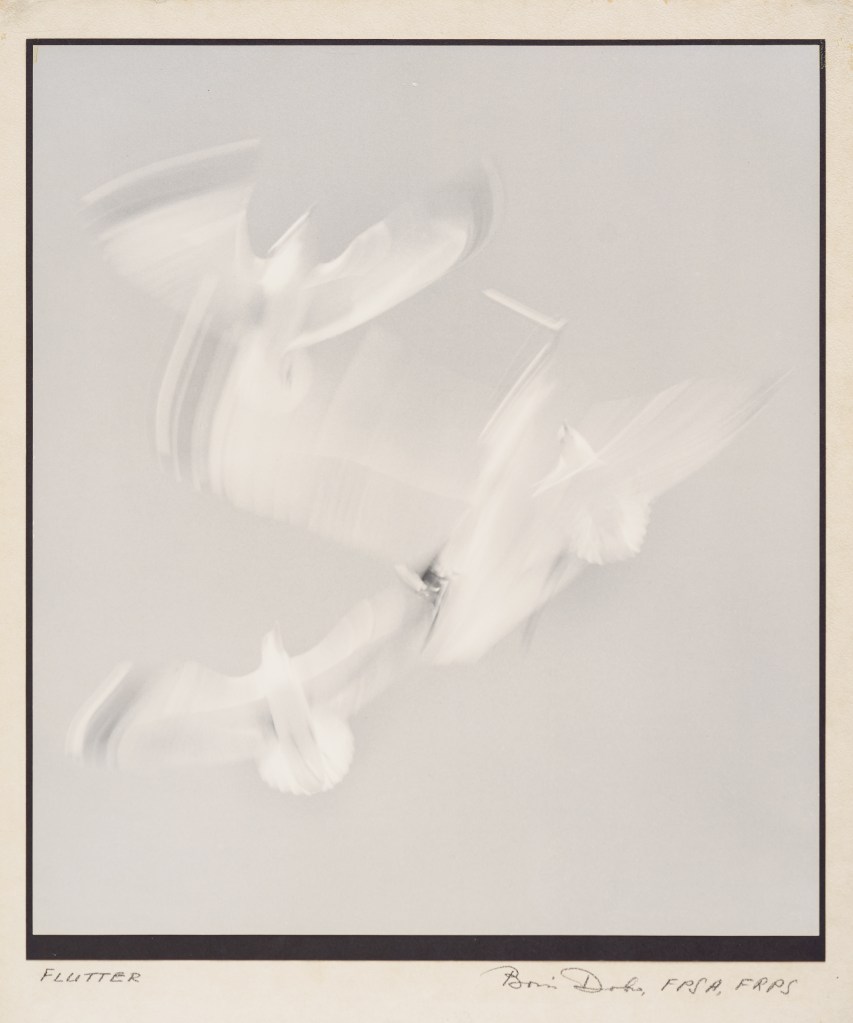
At Brooks I worked for the school’s maintenance department doing everything from mowing lawns and trimming trees to patching concrete and unclogging toilets. Turns out a toilet’s a toilet, whether it’s in Rochester or Santa Barbara.
Mowing the lawn at the Jefferson Campus one summer day, I toted a bag of grass clippings to the dumpster (standard operating procedure at the time). Swinging open the lid and dumping the grass in one fluid motion, I didn’t look inside until it was too late. So I poured a pile of grass atop a substantial stack of 16×20 matted prints.
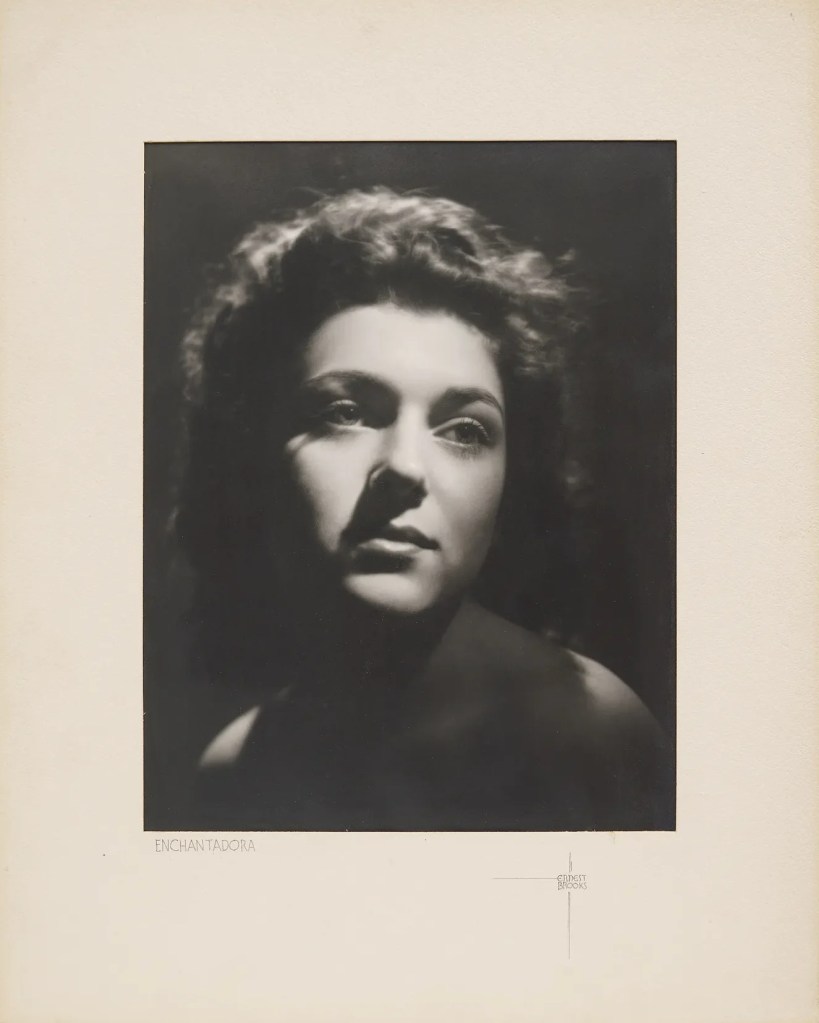
Possessing my unique combination of frugality and shamelessness, I dumpster-dived to retrieve the prints. There were a dozen or so, all of them old and clearly quite well done.
They were classic portraits which I guessed dated to the 1950s. They were signed, too. Most of them with a dramatic flourish, a practiced style, and a familiar name: Ernest Brooks.
I met Ernie Brooks one day as I crossed the circle drive at the stunningly beautiful Montecito Campus.1 Our conversation was brief, but he was jovial and encouraging. And if you’ve seen his beautiful black and white underwater work, you know he was a heck of a photographer, too.
That Ernie, president of the institution in the 1990s, was the second — son of the founder who, after returning from service in WWII, started a photography school to cater to soldiers in search of education in the burgeoning photography business thanks to the GI Bill.
 Bill Sawalich • Photographer + Writer